
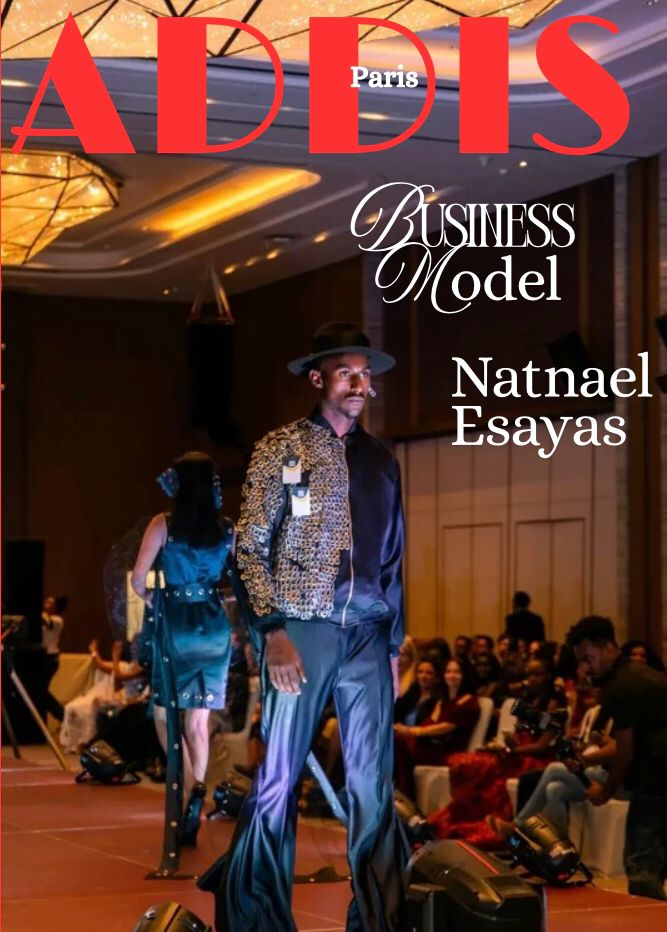
Business Model Natnael Esayes
(ENGLISH)
AP:- Are you willing to participate in this interview and allow Addis Paris to promote you and your career?
Model :- Yes, I want Addis Paris to promote me.
AP:- Please introduce yourself. Where were you born, how old are you, and can you tell us a little about your family?
Model :- My name is Natnael Esayes. I was born in Ethiopia and I am 23 years old. I come from a supportive family, and I am passionate about modeling and business.
AP:- Do you have any brothers or sisters? Are you the eldest, youngest, or middle child in your family?
Model :- I have one brother and two sisters. I am the firstborn in my family.
AP:- What was your childhood like? Who did you spend most of your time with while growing up?
Model :- My childhood was happy and enjoyable. I spent most of my time with my friends and family.
AP:- What schools did you attend? Please tell us the names of your primary and secondary schools.
Model :- I attended Mojo Secondary School.
AP:- Did you attend university? If yes, what was your field of study?
Model :- Yes. I joined Rift Valley University and studied Business Management.
AP:- Please share an unforgettable memory from your school life.
Model :- One unforgettable memory was participating in school events and spending enjoyable times with my classmates.
AP:- What is your favorite song or music genre?
Model :- My favorite song is Tena Adam by Tewadros Tadesse.
AP:- As a child, did you dream of becoming a model or fashion designer?
Model :- Yes. Since childhood, I have been interested in fashion, style, and modeling.
AP:- When and how did you decide to pursue a career in modeling or the fashion industry?
Model :- I became interested in modeling during my teenage years after watching fashion shows and professional models. Their work inspired me to join the fashion industry.
AP:- What type of modeling are you most interested in, and what projects have you worked on recently?
Model :- I am interested in fashion and commercial modeling. Recently, I have been working on photoshoots and building my modeling career.
AP:- Are you a full-time model, part-time model, or freelancer?
Model :- I am a full-time model.
AP:- In which country did you first participate in modeling or begin your business journey?
Model :- Ethiopia. I started my modeling journey and business in Ethiopia, mainly around Mojo and Addis Ababa.
AP:- What kind of feedback have you received regarding your modeling career and business activities?
Model :- The feedback has been very positive. People appreciate my confidence, creativity, discipline, and passion for modeling. My work motivates many young people who want to join the fashion industry.
AP:- Have you participated in any modeling competitions or beauty pageants?
Model :- Yes.
AP:- How many participants were involved, where was it held, and what was the outcome?
Model :- I participated in local modeling events and fashion shows in Addis Ababa. Many talented models and designers were involved, and the experience helped me improve my confidence, networking abilities, and runway skills.
AP:- Which international influencers, actors, or public figures do you admire the most?
Model :- I admire influencers and actors who inspire people positively, work hard, and remain professional in the fashion and entertainment industries.
AP:- Do you have a role model who inspires your lifestyle or career?
Model :- Yes. I look up to successful international models and entrepreneurs who remain disciplined, creative, and focused on their goals.
AP:- Where do you see yourself in the next five years?
Model :- In five years, I see myself as an internationally recognized model and the owner of a successful modeling academy that supports young talents in Ethiopia.
AP:- What makes your modeling career and business unique compared to others?
Model :- My uniqueness comes from combining confidence, creativity, leadership, and passion while helping and motivating young people to believe in themselves.
AP:- Please share your social media accounts and contact information so that people and brands can collaborate with you.
Model :-
Instagram: @natiswag38
Phone: +251 945 453 658
Location: Addis Ababa, Ethiopia
AP:- Tell us about your experience in the city where you are giving this interview.
Model :- The city has a growing fashion and creative industry. I enjoy the opportunities, diversity, and connections that help young models and artists grow professionally.
AP:- Finally, would you like to share a message with our readers and supporters?
Model :- Thank you for this opportunity. I am proud to represent young Ethiopian talent, and I hope to continue growing in the fashion industry while inspiring others.
AP:- On behalf of Addis Paris, thank you very much for your time and participation.
Model :- Thank you very much, Addis Paris, for the opportunity and support.
(FRANÇAIS)
AP :- Êtes-vous disposé à participer à cette interview et à permettre à Addis Paris de promouvoir votre carrière ?
Modèle :- Oui, je souhaite qu’Addis Paris fasse ma promotion.
AP :- Veuillez vous présenter. Où êtes-vous né, quel âge avez-vous et pouvez-vous nous parler un peu de votre famille ?
Modèle :- Je m’appelle Natnael Esayes. Je suis né en Éthiopie et j’ai 23 ans. Je viens d’une famille très encourageante et je suis passionné par le mannequinat et les affaires.
AP :- Avez-vous des frères ou des sœurs ? Êtes-vous l’aîné, le cadet ou l’enfant du milieu ?
Modèle :- J’ai un frère et deux sœurs. Je suis l’aîné de ma famille.
AP :- Comment s’est passée votre enfance ? Avec qui passiez-vous le plus de temps en grandissant ?
Modèle :- Mon enfance a été heureuse et agréable. Je passais la plupart de mon temps avec ma famille et mes amis.
AP :- Quelles écoles avez-vous fréquentées ? Veuillez nous indiquer les noms de vos établissements scolaires.
Modèle :- J’ai fréquenté le lycée Mojo Secondary School.
AP :- Avez-vous fréquenté une université ? Si oui, quel était votre domaine d’études ?
Modèle :- Oui. J’ai étudié à Rift Valley University en gestion des affaires (Business Management).
AP :- Pouvez-vous partager un souvenir inoubliable de votre vie scolaire ?
Modèle :- Un de mes souvenirs les plus marquants a été de participer aux événements scolaires et de passer de très bons moments avec mes camarades de classe.
AP :- Quelle est votre chanson préférée ou votre genre musical favori ?
Modèle :- Ma chanson préférée est Tena Adam de Tewadros Tadesse.
AP :- Lorsque vous étiez enfant, rêviez-vous de devenir mannequin ou créateur de mode ?
Modèle :- Oui. Depuis mon enfance, je suis passionné par la mode, le style et le mannequinat.
AP :- Quand et comment avez-vous décidé de poursuivre une carrière dans le mannequinat ou l’industrie de la mode ?
Modèle :- Je me suis intéressé au mannequinat pendant mon adolescence après avoir regardé des défilés de mode et observé des mannequins professionnels. Leur travail m’a inspiré à rejoindre l’industrie de la mode.
AP :- Quel type de mannequinat vous intéresse le plus et sur quels projets avez-vous travaillé récemment ?
Modèle :- Je m’intéresse au mannequinat de mode et au mannequinat commercial. Récemment, j’ai participé à plusieurs séances photo et je continue à développer ma carrière dans le mannequinat.
AP :- Êtes-vous mannequin à temps plein, à temps partiel ou indépendant ?
Modèle :- Je suis mannequin à temps plein.
AP :- Dans quel pays avez-vous commencé votre carrière dans le mannequinat ou vos activités professionnelles ?
Modèle :- En Éthiopie. J’ai commencé mon parcours dans le mannequinat et les affaires en Éthiopie, principalement à Mojo et à Addis-Abeba.
AP :- Quel type de retour avez-vous reçu concernant votre carrière de mannequin et vos activités professionnelles ?
Modèle :- Les retours ont été très positifs. Les gens apprécient ma confiance en moi, ma créativité, ma discipline et ma passion pour le mannequinat. Mon travail motive de nombreux jeunes qui souhaitent rejoindre l’industrie de la mode.
AP :- Avez-vous participé à des concours de mannequinat ou à des concours de beauté ?
Modèle :- Oui.
AP :- Combien de participants étaient impliqués, où cela s’est-il déroulé et quel a été le résultat ?
Modèle :- J’ai participé à plusieurs événements de mannequinat et défilés de mode à Addis-Abeba. De nombreux mannequins et créateurs talentueux y ont participé, et cette expérience m’a permis d’améliorer ma confiance en moi, mes relations professionnelles et mes compétences sur le podium.
AP :- Quels influenceurs, acteurs ou personnalités internationales admirez-vous le plus ?
Modèle :- J’admire les influenceurs et les acteurs qui inspirent les autres de manière positive, travaillent dur et restent professionnels dans les domaines de la mode et du divertissement.
AP :- Avez-vous un modèle qui inspire votre mode de vie ou votre carrière ?
Modèle :- Oui. J’admire les mannequins internationaux et les entrepreneurs qui restent disciplinés, créatifs et concentrés sur leurs objectifs.
AP :- Où vous voyez-vous dans les cinq prochaines années ?
Modèle :- Dans cinq ans, je me vois comme un mannequin reconnu à l’international et le propriétaire d’une académie de mannequinat prospère qui soutient les jeunes talents en Éthiopie.
AP :- Qu’est-ce qui rend votre carrière de mannequin et votre activité uniques par rapport aux autres ?
Modèle :- Mon originalité vient de ma capacité à combiner confiance en soi, créativité, leadership et passion, tout en aidant les jeunes à croire en eux-mêmes et à poursuivre leurs rêves.
AP :- Veuillez partager vos réseaux sociaux et vos coordonnées afin que les personnes intéressées puissent collaborer avec vous.
Modèle :-
Instagram : @natiswag38
Téléphone : +251 945 453 658
Localisation : Addis-Abeba, Éthiopie
AP :- Parlez-nous de votre expérience dans la ville où vous réalisez cette interview.
Modèle :- La ville possède une industrie de la mode et de la création en pleine croissance. J’apprécie les opportunités, la diversité et les connexions qui permettent aux jeunes mannequins et artistes de se développer professionnellement.
AP :- Enfin, souhaitez-vous adresser un message à nos lecteurs et à vos supporters ?
Modèle :- Merci pour cette opportunité. Je suis fier de représenter les jeunes talents éthiopiens et j’espère continuer à progresser dans l’industrie de la mode tout en inspirant les autres.
AP :- Au nom d’Addis Paris, merci beaucoup pour votre temps et votre participation.
Modèle :- Merci beaucoup à Addis Paris pour cette opportunité et pour votre soutien.
የአዲስ ፓሪስ ቃለ መጠይቅ – ናትናኤል እሳየስ
አፓ:- ስለ እርስዎ ቃለ መጠይቅ ለመስጠት ወይም ንግድዎን እንድናስተዋውቅ ፈቃደኛ ነዎት?
Model :- አዎ፣ አዲስ ፓሪስ እንዲያስተዋውቀኝ እፈልጋለሁ።
አፓ:- እባክዎ ራስዎን ያስተዋውቁ። የት ተወለዱ? ዕድሜዎ፣ ቤተሰብዎ እና ሌሎች መረጃዎችን ያጋሩ።
Model :- ስሜ ናትናኤል እሳየስ Natnael Esayes ነው። በኢትዮጵያ ተወልጄ አድጌያለሁ። ዕድሜየ 23 ዓመት ። ቤተሰብ ይደግፈኛል፣ እናም ለሞዴሊንግና ለንግድ ስራ ትልቅ ፍላጎት አለኝ።
አፓ:- ወንድም ወይም እህት አለዎት? የመጀመሪያ፣ የመጨረሻ ወይስ የመካከለኛ ልጅ ነዎት?
Model :- አንድ ወንድም እና ሁለት እህቶች አሉኝ። በቤተሰቤ የመጀመሪያ ልጅ ነኝ።
አፓ:- ልጅነትዎ እንዴት ነበር? ከማን ጋር ብዙ ጊዜ ያሳልፉ ነበር?
Model :- ልጅነቴ ደስተኛና የሚያስደስት ነበር። ብዙ ጊዜዬን ከጓደኞቼና ከቤተሰቤ ጋር አሳልፍ ነበር።
አፓ:- የመጀመሪያ ትምህርት ቤትዎ እና ሁለተኛ ደረጃ ት/ቤትዎ ምን ይባላሉ?
Model :- በሞጆ ሁለተኛ ደረጃ ትምህርት ቤት ተምሬያለሁ።
አፓ:- ዩኒቨርሲቲ ገብተው ነበር? ከሆነ በምን ዘርፍ ተምረዋል?
Model :- በሪፍት ቫሊ ዩኒቨርሲቲ ገብቼ ቢዝነስ ማኔጅመንት ተምሬያለሁ።
አፓ:- የማይረሳ የትምህርት ቤት ትዝታ ያጋሩን።
Model :- ከማይረሱኝ ትዝታዎች አንዱ በትምህርት ቤት ዝግጅቶች መሳተፌ እና ከክፍል ጓደኞቼ ጋር ያሳለፍኳቸው ደስታማ ጊዜያት ናቸው።
አፓ:- ተወዳጅ ሙዚቃዎ ወይም የሙዚቃ ዘውግዎ ምንድን ነው?
Model :- ተወዳጅ ዘፈኔ የቴዎድሮስ ታደሰ “ጤና አዳም” ነው።
አፓ:- በልጅነትዎ ሞዴል ወይም ፋሽን ዲዛይነር ለመሆን ህልም ነበረዎት?
Model :- አዎ፣ ከልጅነቴ ጀምሮ ለፋሽን፣ ስታይል እና ሞዴሊንግ ፍላጎት ነበረኝ።
አፓ:- ወደ ሞዴሊንግ ወይም ፋሽን ዘርፍ እንዴት ገቡ?
Model :- በወጣትነቴ የፋሽን ትዕይንቶችን እና ሙያዊ ሞዴሎችን ካየሁ በኋላ ለሞዴሊንግ ፍላጎት አደረብኝ። ይህም ወደ ፋሽን ኢንዱስትሪው እንድገባ አነሳሳኝ።
አፓ:- በየትኛው የሞዴሊንግ ዘርፍ ይሰራሉ?
Model :- ለፋሽን እና ለንግድ (Commercial) ሞዴሊንግ ፍላጎት አለኝ። በቅርቡም በፎቶ ቀረጻዎች ላይ እየሰራሁ የሞዴሊንግ ሙያዬን እያሳደግሁ ነው።
አፓ:- ሙሉ ጊዜ ሞዴል ነዎት ወይስ በከፊል?
Model :- እኔ የሙሉ ጊዜ ሞዴል ነኝ።
አፓ:- ለመጀመሪያ ጊዜ በየትኛው አገር በሞዴሊንግ ተሳትፈዋል?
Model :- በኢትዮጵያ ነው። የሞዴሊንግ ጉዞዬን እና ንግዴን የጀመርኩት በሞጆ እና በአዲስ አበባ ነው።
አፓ:- ሰዎች ለስራዎ የሰጡት አስተያየት ምን ነበር?
Model :- የተቀበልኩት አስተያየት በጣም አዎንታዊ ነው። ሰዎች መተማመኔን፣ ፈጠራዬን፣ ስነ-ሥርዓቴን እና ለሞዴሊንግ ያለኝን ፍቅር ያደንቃሉ። ስራዬም ወደ ፋሽን ዘርፍ መግባት የሚፈልጉ ወጣቶችን ያበረታታል።
አፓ:- በሞዴሊንግ ወይም በውበት ውድድር ተሳትፈው ያውቃሉ?
Model :- አዎ።
አፓ:- ስንት ሰዎች ተሳትፈው ነበር? ውጤቱስ ምን ነበር?
Model :- በአዲስ አበባ በተካሄዱ የአካባቢ የሞዴሊንግ ዝግጅቶች እና የፋሽን ትዕይንቶች ተሳትፌያለሁ። ብዙ ተሰጥኦ ያላቸው ሞዴሎችና ዲዛይነሮች ተሳትፈው ነበር። ይህም መተማመኔን፣ የሰዎች ግንኙነት ችሎታዬን እና የመድረክ ላይ የመራመድ ችሎታዬን አሳድጎታል።
አፓ:- የሚወዷቸው ዓለም አቀፍ ተፅእኖ ፈጣሪዎች ወይም ተዋናዮች አሉ?
Model :- ሰዎችን በአዎንታዊ መንገድ የሚያነሳሱ፣ ጠንክረው የሚሰሩ እና በሙያቸው የተከበሩ ተፅእኖ ፈጣሪዎችን እና ተዋናዮችን አደንቃለሁ።
አፓ:- የሕይወትዎ ሮል ሞዴል ማን ነው?
Model :- አዎ፣ በዓለም አቀፍ ደረጃ የተሳካላቸውን ሞዴሎችና ኢንተርፕረነሮች እከተላለሁ። ስነ-ሥርዓታቸውን፣ ፈጠራቸውን እና ትኩረታቸውን አደንቃለሁ።
አፓ:- ከአምስት ዓመት በኋላ ራስዎን የት ያያሉ?
Model :- ከአምስት ዓመታት በኋላ በዓለም አቀፍ ደረጃ የታወቅሁ ሞዴል እና በኢትዮጵያ ወጣት ተሰጥኦዎችን የሚያበረታታ የሞዴሊንግ አካዳሚ ባለቤት ሆኜ አያለሁ።
አፓ:- ከሌሎች የሚለዩዎት ምንድን ነው?
Model :- ልዩነቴ ከመተማመን፣ ፈጠራ፣ መሪነት እና ፍቅር ጋር ተያይዞ ነው። ወጣቶች በራሳቸው እንዲያምኑ እየረዳሁ እና እያነሳሳሁ ነው።
አፓ:- ለትብብር የሚያገኙዎትን መረጃ ያጋሩ።
Model :-
Instagram: @natiswag38
ስልክ: +251 945 453 658
አድራሻ: አዲስ አበባ፣ ኢትዮጵያ
አፓ:- ይህን ቃለ መጠይቅ ከምታደርጉበት ከተማ ስለ ተሞክሮዎ ይንገሩን።
Model :- ከተማዋ እያደገ ያለ የፋሽንና የፈጠራ ኢንዱስትሪ አላት። ወጣት ሞዴሎችና አርቲስቶች በሙያቸው እንዲያድጉ የሚረዱ እድሎችን፣ ልዩነቶችን እና ግንኙነቶችን እወዳለሁ።
አፓ:- የመጨረሻ መልዕክትዎ ምንድን ነው?
Model :- ለዚህ እድል እናመሰግናለሁ። የኢትዮጵያን ወጣት ተሰጥኦ በመወከሌ እኮራለሁ፣ እናም በፋሽን ኢንዱስትሪው ውስጥ ማደግና ሌሎችን ማነሳሳት እፈልጋለሁ።
አፓ:- በአዲስ ፓሪስ ስም በጣም እናመሰግናለን።
Model :- እኔም አዲስ ፓሪስን ለዚህ እድልና ድጋፍ ከልቤ አመሰግናለሁ።
📰 Latest Posts
Modelling for Tinsae Biruk
AP:- Are you willing to participate in this interview and allow Addis Paris to promote…
Betelhem Bayisa from Slovakia
ADDIS PARIS INTERVIEW (ENGLISH) AP:- Are you willing to participate in this interview and allow…
Je m'appelle Yeabtsega Zewdie
le mannequinat de défilé et le mannequinat photo (ENGLISH) AP:- Are you willing to participate…
Young Model Ribka Moges
(ENGLISH) AP:- Are you willing to participate in this interview and allow Addis Paris to…
Je m'appelle Sifen Dinkesa
(ENGLISH) AP:- Are you willing to participate in this interview and allow Addis Paris to…

Le poète et peintre Gebre Kristos Desta
Qui est Gebre Kristos Desta ?
Aujourd’hui, rendons hommage à l’artiste et poète patriotique éthiopien Gebre Kristos Desta. Gebre Kristos Desta (1932-1981) (également connu sous le nom de Gebrekristos Desta) était un artiste moderne éthiopien. Gebre est né dans la ville de Harar, fils d’un haut dignitaire religieux, Aleka Desta Nego, et était le plus jeune d’une fratrie de six enfants.
Il était également connu comme poète et père de l’art moderne éthiopien. Ses peintures comme ses poèmes ont suscité de vives controverses. Le peintre et poète Gebre Kristos Desta, qui a joué un rôle important dans l’histoire de l’art moderne en Éthiopie, a non seulement largement introduit le style abstrait et moderne dans l’art moderne éthiopien, en particulier le style abstrait, mais il a également été un grand artiste de notre pays qui a sacrifié ses devoirs artistiques et civiques en exprimant la vie de la société de notre pays dans ses peintures à travers une forme d’art abstrait.
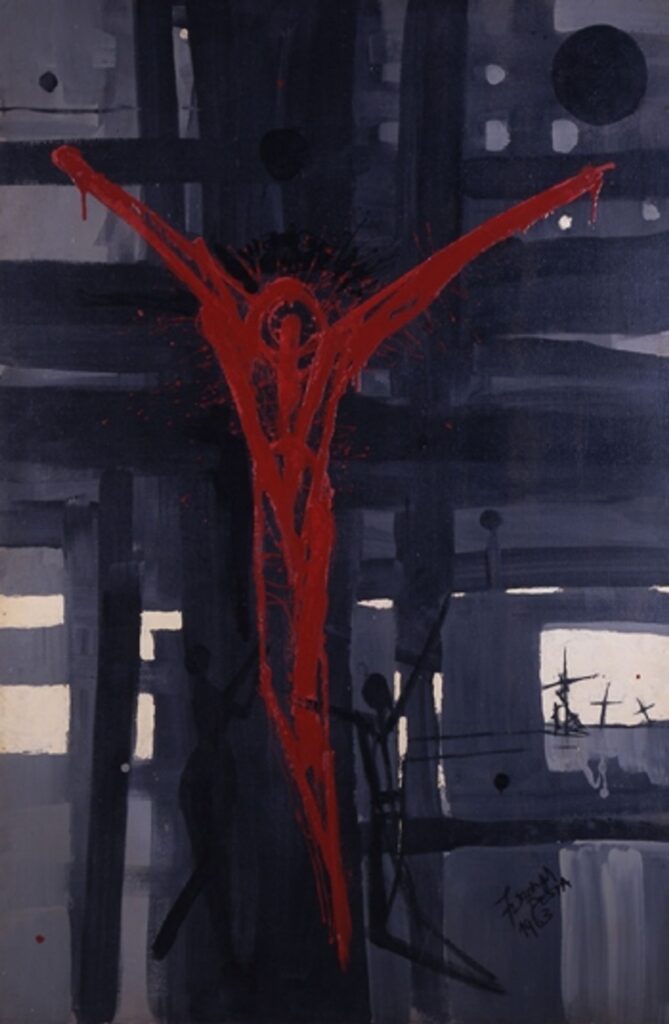
Le peintre Gebre Kristos Desta, alors qu’il enseignait la peinture, a demandé à ses élèves de lui apporter une image de Jésus-Christ comme devoir. Tout le monde apporte une image de Jésus sous forme peinte, mais un élève présente une image du Christ sous une forme noire ou africaine. Lorsque Gebre Kristos Desta, surpris par le tableau, lui a demandé pourquoi il avait peint
le Christ en noir, l’élève a répondu : « Le Christ ne peut pas être un ferenj (blanc) car les ferenj prétendent être eux-mêmes. »
Mais Jésus n’est pas blanc, il est noir. C’est alors que le peintre Gebrye se précipita chez lui et peignit Jésus-Christ avec du sang, de la tête aux pieds. Sur la photo,
l’amour n’a pas de graine. L’amour n’a pas de couleur. L’amour transcende les barrières de la race et de la couleur. Lorsque le Christ nous a sauvés, il n’a pas fait de distinction de race, de couleur ou de genre. Il a laissé cela à la postérité.
Une anthologie des poèmes de Gebre Kristos Desta, comprenant des œuvres publiées et inédites, a été éditée par le Dr Heran Sereke Birhan. Ce recueil s’inscrit dans le cadre d’un projet mené conjointement par l’Institut d’études éthiopiennes et l’ambassade d’Allemagne. L’un de ses recueils, The Painter’s Eye, the Poet’s Hand, comprend des essais critiques et des traductions de ses poèmes, offrant ainsi un contexte et une analyse.
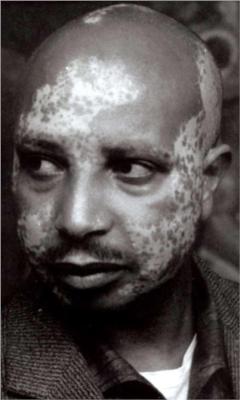
Son expression artistique était constamment restreinte. On lui demandait de plus en plus souvent de créer du matériel de propagande à des fins politiques. En 1978, alors qu’il participait à une campagne d’expositions au Kenya, il fit défection et s’enfuit rapidement en Allemagne pour y demander l’asile. Le gouvernement allemand n’a pas accédé à sa demande, mais en 1980, les États-Unis lui ont accordé l’asile politique et il s’est installé à Lawton, dans l’Oklahoma. Il n’a eu qu’une seule exposition personnelle à Lawton avant de mourir en 1981, à l’âge de 50 ans.
Le Musée d’art moderne Gebre-Kristos Desta a été fondé en 2009 à Addis-Abeba et abrite 30 de ses œuvres. La vie en exil fut difficile : il n’eut qu’une seule exposition personnelle à Lawton avant de mourir en 1981, à l’âge de 50 ans.
Il a dû faire face à de nombreuses difficultés durant ses dernières années, notamment des restrictions à sa liberté d’expression artistique et des problèmes de santé, qui ont finalement conduit à sa mort prématurée. Gebre Kristos Desta est considéré comme le père de l’art moderne éthiopien ; on lui attribue le mérite d’avoir introduit l’expressionnisme abstrait et d’avoir fusionné les styles traditionnels éthiopiens avec le modernisme européen. Son œuvre a non seulement transformé le paysage artistique en Éthiopie, mais a également influencé des générations d’artistes, démontrant que l’engagement envers le modernisme international pouvait coexister avec l’identité culturelle.
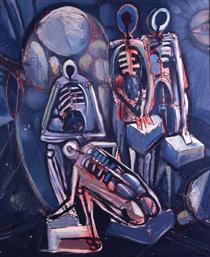
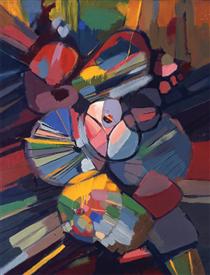
Poet painter Gebre kirstos desta
Who is Ghebrekirstos Desta
Today, let us remember Ethiopian patriotic artist and poet Gebre Kristos Desta.Gebre Kristos Desta ( 1932-1981) (also Gebrekristos Desta) was an Ethiopian modern artist. Gebre was born in the town of Harar, the son of a high ranking clergyman Aleka Desta Nego, and was the youngest of six siblings.
He was also known as a poet and the father of modern Ethiopian art. Both his paintings and his poems unleashed waves of controversy. The painter and poet Gebre Kristos Desta, who played an important role in the history of moden art in Ethiopia, not only widely introduced the abstract and modern style of painting into the space of Ethiopian modern art,especially the abstract style. He was a great artist of our country who sacrificed his artistic and civic duties by expressing the
life of the society of our country in his paintings using a kind of abstract art.
The painter Ghebre kristos Desta, while teaching painting, asked students to bring him a picture of Jesus Christ as homework. Everyone brings an image of Jesus in painted form, but one student submits an image of Christ in black or African form. When Gebre Christ was surprised by the painting and asked why he had painted
Christ black, the student replied: «Christ cannot be a ferenj(white) because the frinjis pretend to be themselves.»
But Jesus is not white, but black. It was then that the painter Gebrye flew to his house and painted Jesus Christ with blood from his hair to his nails. In the photo,
love has no seed. Love has no color. Love crosses barriers of race and color. When Christ saved us, he did not choose race, color or gender. He left it to posterity.
An anthology of Gebre Kristos Desta’s poems includes both published and unpublished works, edited by Dr. Heran Sereke Birhan. This collection is part of a project between the Institute of Ethiopian Studies and the German Embassy. One of his anthology The Painter’s Eye, the Poet’s Hand includes critical essays and translations of his poetry, providing context and analysis.
His artistic expression was constantly being restricted. He was increasingly being asked to create propaganda material for political purposes. In 1978 while on an exhibition campaign to Kenya he defected and soon fled to Germany seeking asylum. The German government did not grant his request, but in 1980 the United States granted him political asylum and he settled in Lawton, Oklahoma. He only had one solo exhibition in Lawton before he died in 1981 at the age of 50.
The Gebre-Kristos Desta Modern Art Museum was established in 2009 in Addis Ababa and houses 30 of his works. Life in exile was challenging he only had one solo exhibition in Lawton before he died in 1981 at the age of 50.
He faced challenges in his later years, including restrictions on his artistic expression and health issues, ultimately leading to his untimely death.Gebre Kristos Desta is considered the father of modern Ethiopian art, credited with introducing abstract expressionism and blending traditional Ethiopian styles with European modernism. His work not only transformed the artistic landscape in Ethiopia but also influenced generations of artists, demonstrating that engagement with international modernism could coexist with cultural identity.
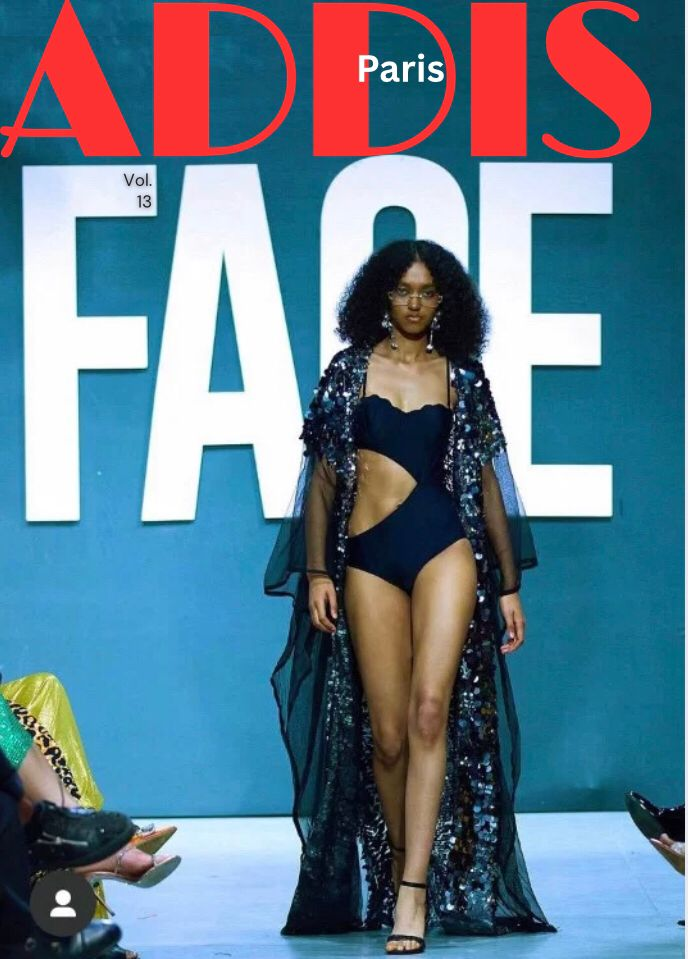
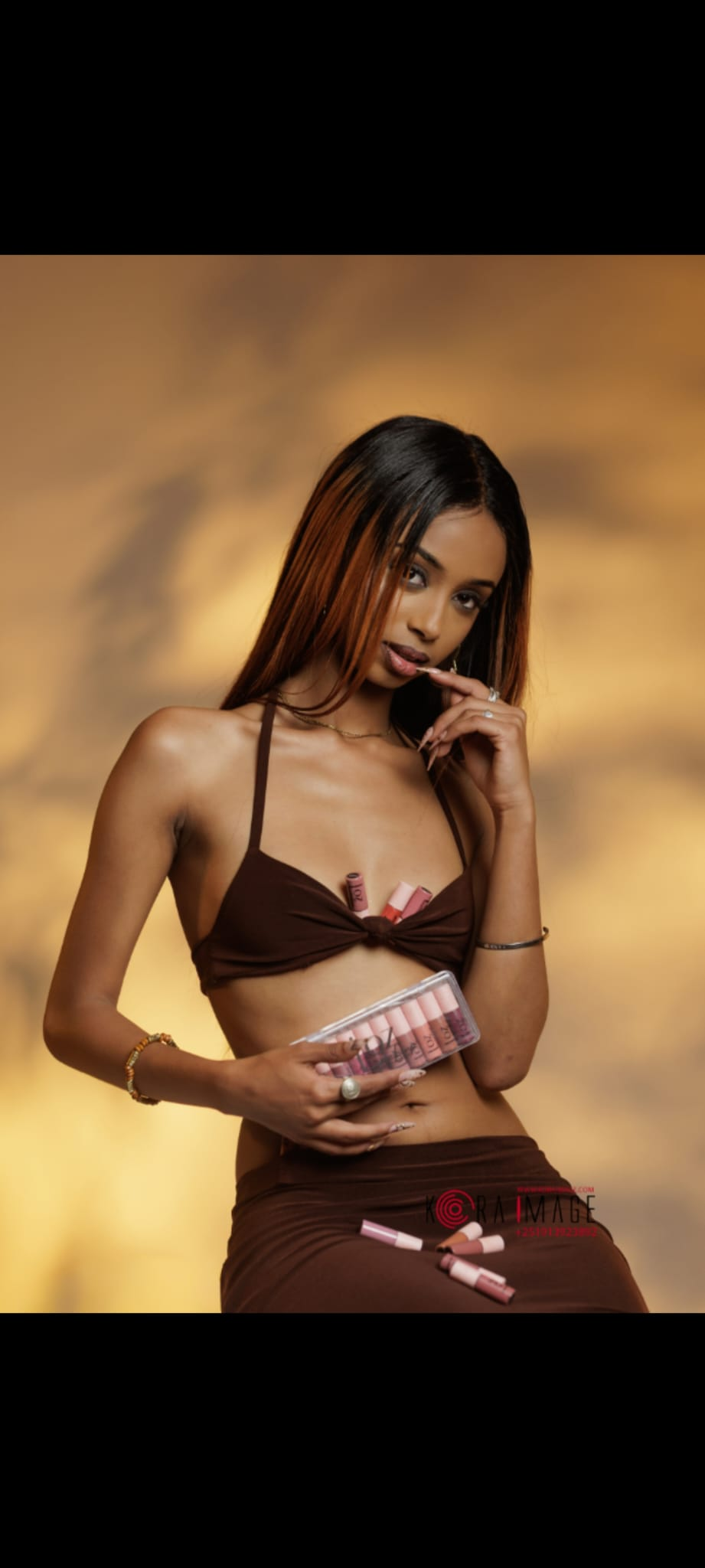
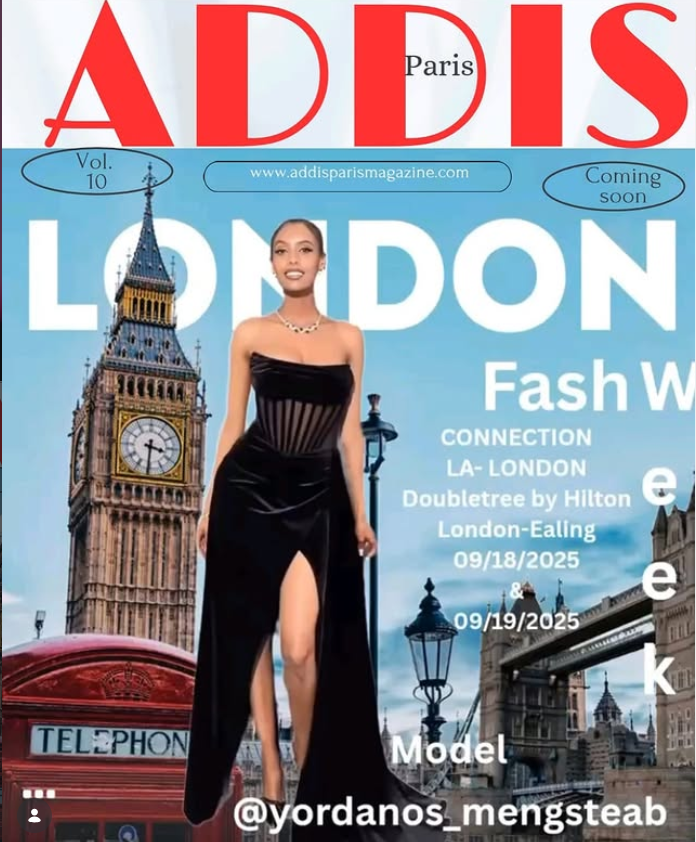
Miss Europe Continental Érythrée 2025 Miss Africa Great Britain 2024-Model Yordanos
ADDIS PARIS INTERVIEW Model Yordanos (ENGLISH)
AP:- Are you willing to participate in this interview and allow Addis Paris to promote you and your career?
Model :- Yes, I want Addis Paris to promote me.
AP:- Please introduce yourself. Where were you born, how old are you, and can you tell us about your family background?
Model :- Hello, my name is Yordanos Mengsteab. I’m 21 years old. I was born and raised in Alla, a village in Eritrea, to my father Mengsteab Belay and my mother Mihret Feshyae. Today, I live in England. From a young age, I’ve always loved creativity and fashion, and that passion eventually led me to discover my path in modeling. I’m excited to share my story with you.
AP:- Do you have any sisters or brothers? Are you the eldest, youngest, or middle child in your family?
Model :- Yes, I do, and I am the last born in my family.
AP:- What was your childhood like? Who did you spend most of your time with while growing up?
Model :- I had a simple and happy childhood, growing up with a loving family who always supported me. I lived with them until I was 15, and those years taught me the value of strength, self-identity, and the importance of dreaming big. My father was an inspirational figure, always encouraging me to pursue education and make my mark in life.
AP:- What schools did you attend? Please tell us the names of your primary and secondary schools.
Model :- I attended Medhane Alem Academy and Junior School in Alla up to Grade 8.
AP:- Have you attended university? If yes, what is your field of study?
Model :- I haven’t joined university yet.
AP:- Please share an unforgettable memory from your school life.
Model :- My school years taught me discipline, friendship, and confidence, and those memories remain very special to me.
AP:- What is your favorite song and music genre?
Model :- My favorite song is “Semay U Derty” by Abraham Afwerki. I listen to it whenever I feel low because it always lifts my spirits.
AP:- As a child, did you dream of becoming a model or fashion designer?
Model :- When I was younger, I didn’t know exactly what I wanted to be, but I always loved fashion. I admired how people expressed themselves through clothing. Later, many people encouraged me to try modeling, and that’s when I started seriously considering it.
I discovered Miss Africa Great Britain and was drawn to it because it was more than just beauty—it celebrated culture, identity, and purpose. I thought, “This is different; this could be my path into the modeling world.”
AP:- When and how did you decide to pursue a career in modeling and the fashion industry?
Model :- In 2024, I signed with Fission Management, a modeling agency in the UK. That’s when things became serious. I also started learning more about pageantry. That same year, I joined Miss Africa Great Britain 2024, which was my first modeling competition.
AP:- What type of modeling interests you the most, and what areas have you worked in recently?
Model :- I am interested in commercial modeling, runway modeling, and most importantly, beauty pageants.
AP:- Are you currently a full-time model, part-time model, or freelancer?
Model :- At this time, I am a part-time model as I am still pursuing my medical education and career.
AP:- In which country did you begin your modeling journey or participate in your first competition?
Model :- I started in England and participated in Miss Africa Great Britain 2024, where I was fortunate to become the Second Runner-Up.
AP:- What kind of feedback have you received from the public, judges, and your community regarding your modeling career?
Model :- I received so much support from my community through Miss Africa Great Britain, as the mission was to uplift younger refugees who have just arrived in the UK and are trying to build their future. I was greatly encouraged, and I believe my modeling career has received very positive feedback.
AP:- Have you participated in any modeling competitions or beauty pageants?
Model :- Yes.
AP:- Can you tell us about the competitions you have participated in, where they were held, and the results you achieved?
Model :- My first competition was Miss Africa Great Britain 2024 in England. I am currently preparing for the international beauty pageant Miss Europe Continental 2025, where I will proudly represent Eritrea. Along the way, I have collaborated with designers and fashion organizers from around the world, including London and the United States.
AP:- Which international influencers, celebrities, or public figures do you admire the most?
Model :- The person I admire most is Michelle Obama.
AP:- Do you have a role model who inspires your lifestyle, values, or career?
Model :- Yes, I do, and it is myself. I am very grateful for everything I have achieved in my life, and I see myself as my own role model.
AP:- Where do you see yourself in the next five years?
Model :- In the coming five years, I see myself living my dream life. I have always wanted to complete my medical training and open my own business.
AP:- What makes your modeling journey unique compared to others in the industry?
Model :- What makes my modeling career unique is that it is all about me—my story, my heritage, and my journey. It is not just about outer beauty; I am showing the world my inner beauty as well and advocating for what makes each of us unique.
AP:- Please share your social media accounts so people and brands can connect and collaborate with you.
Model :-
Instagram: @Yordanosmengsteab
TikTok: @Yordanosmengsteab
Facebook: @yordanosmengsteab
AP:- Tell us about your experience living in the city where you are giving this interview.
Model :- I am doing this interview from London. I have lived in London for almost four years now, and it is such a beautiful city. I am very grateful for the opportunities it has given me in my life.
AP:- Finally, would you like to share any message with our readers and supporters around the world?
Model :- Yes! Thank you again for this interview. I believe we should bring positivity and honesty into everything we do, both for ourselves and for others.
I am currently preparing for another pageant, where I have been selected to represent Eritrea in international competitions, including Miss Europe Continental 2025. I want to keep growing and make my family and country proud.
To the young people reading this: Everything happens at the right time. Work hard, give your best, and dream big—but take it one step at a time.
AP:- On behalf of Addis Paris, thank you very much for your time and participation.
Model :- Thank you! Yordanos Mengsteab, 2nd Runner-Up Miss Africa Great Britain 2024, Miss Europe Continental Eritrea 2025.
INTERVIEW ADDIS PARIS (FRANÇAIS)
AP :- Êtes-vous disposée à participer à cette interview et à permettre à Addis Paris de promouvoir votre carrière ?
Modèle :- Oui, je souhaite qu’Addis Paris fasse ma promotion.
AP :- Veuillez vous présenter. Où êtes-vous née, quel âge avez-vous et pouvez-vous nous parler de votre famille ?
Modèle :- Bonjour, je m’appelle Yordanos Mengsteab. J’ai 21 ans. Je suis née et j’ai grandi à Alla, un village d’Érythrée, de mon père Mengsteab Belay et de ma mère Mihret Feshyae. Aujourd’hui, je vis en Angleterre. Depuis mon plus jeune âge, j’ai toujours aimé la créativité et la mode, et cette passion m’a finalement conduite vers le mannequinat. Je suis heureuse de partager mon histoire avec vous.
AP :- Avez-vous des sœurs ou des frères ? Êtes-vous l’aînée, la cadette ou l’enfant du milieu ?
Modèle :- Oui, j’en ai, et je suis la dernière née de ma famille.
AP :- Comment s’est passée votre enfance ? Avec qui passiez-vous le plus de temps en grandissant ?
Modèle :- J’ai eu une enfance simple et heureuse, entourée d’une famille aimante qui m’a toujours soutenue. J’ai vécu avec eux jusqu’à l’âge de 15 ans, et ces années m’ont appris la force, l’identité personnelle et l’importance de rêver grand. Mon père a été une source d’inspiration, m’encourageant toujours à poursuivre mes études et à laisser ma marque dans la vie.
AP :- Quelles écoles avez-vous fréquentées ? Veuillez nous indiquer les noms de vos établissements scolaires.
Modèle :- J’ai fréquenté Medhane Alem Academy et Junior School à Alla jusqu’à la 8e année.
AP :- Avez-vous fréquenté une université ? Si oui, quel est votre domaine d’études ?
Modèle :- Je n’ai pas encore intégré l’université.
AP :- Pouvez-vous partager un souvenir inoubliable de votre vie scolaire ?
Modèle :- Mes années d’école m’ont appris la discipline, l’amitié et la confiance en moi, et ces souvenirs restent très précieux.
AP :- Quelle est votre chanson préférée et votre genre musical favori ?
Modèle :- Ma chanson préférée est « Semay U Derty » d’Abraham Afwerki. Je l’écoute lorsque je me sens découragée, car elle me redonne toujours de l’énergie.
AP :- Lorsque vous étiez enfant, rêviez-vous de devenir mannequin ou créatrice de mode ?
Modèle :- Quand j’étais plus jeune, je ne savais pas exactement ce que je voulais devenir, mais j’ai toujours aimé la mode. J’admirais la façon dont les gens s’exprimaient à travers leurs vêtements. Plus tard, de nombreuses personnes m’ont encouragée à essayer le mannequinat, et c’est à ce moment-là que j’ai commencé à y penser sérieusement.
J’ai découvert Miss Africa Great Britain et j’ai été attirée par ce concours parce qu’il représentait bien plus que la beauté : il célébrait la culture, l’identité et les valeurs. Je me suis dit : « C’est différent, cela pourrait être mon chemin vers le monde du mannequinat. »
AP :- Quand et comment avez-vous décidé de poursuivre une carrière dans le mannequinat et l’industrie de la mode ?
Modèle :- En 2024, j’ai signé avec Fission Management, une agence de mannequins au Royaume-Uni. C’est à ce moment-là que les choses sont devenues sérieuses. J’ai également commencé à m’intéresser davantage aux concours de beauté. Cette même année, j’ai participé à Miss Africa Great Britain 2024, qui était ma première compétition de mannequinat.
AP :- Quel type de mannequinat vous intéresse le plus et dans quels domaines avez-vous travaillé récemment ?
Modèle :- Je m’intéresse au mannequinat commercial, aux défilés de mode et surtout aux concours de beauté.
AP :- Êtes-vous actuellement mannequin à temps plein, à temps partiel ou freelance ?
Modèle :- Pour le moment, je suis mannequin à temps partiel, car je poursuis encore mes études et ma carrière dans le domaine médical.
AP :- Dans quel pays avez-vous commencé votre parcours dans le mannequinat ou participé à votre première compétition ?
Modèle :- J’ai commencé en Angleterre en participant à Miss Africa Great Britain 2024, où j’ai eu l’honneur d’être désignée deuxième dauphine.
AP :- Quel type de retour avez-vous reçu du public, des juges et de votre communauté concernant votre carrière de mannequin ?
Modèle :- J’ai reçu énormément de soutien de ma communauté à travers Miss Africa Great Britain, dont la mission est d’aider les jeunes réfugiés récemment arrivés au Royaume-Uni à construire leur avenir. J’ai été très encouragée et je pense que ma carrière de mannequin a reçu des retours très positifs.
AP :- Avez-vous participé à des concours de mannequinat ou de beauté ?
Modèle :- Oui.
AP :- Pouvez-vous nous parler des concours auxquels vous avez participé et des résultats obtenus ?
Modèle :- Mon premier concours était Miss Africa Great Britain 2024 en Angleterre. Je me prépare actuellement pour le concours international Miss Europe Continental 2025, où je représenterai fièrement l’Érythrée. J’ai également collaboré avec des créateurs et organisateurs de mode du monde entier, notamment à Londres et aux États-Unis.
AP :- Quelles personnalités internationales admirez-vous le plus ?
Modèle :- La personnalité que j’admire le plus est Michelle Obama.
AP :- Avez-vous un modèle qui inspire votre mode de vie ou votre carrière ?
Modèle :- Oui, mon modèle, c’est moi-même. Je suis très reconnaissante pour tout ce que j’ai accompli dans ma vie et je me considère comme ma propre source d’inspiration.
AP :- Où vous voyez-vous dans les cinq prochaines années ?
Modèle :- Dans les cinq prochaines années, je me vois vivre la vie dont j’ai toujours rêvé. J’aimerais terminer ma formation médicale et créer ma propre entreprise.
AP :- Qu’est-ce qui rend votre parcours dans le mannequinat unique par rapport aux autres ?
Modèle :- Ce qui rend mon parcours unique, c’est qu’il reflète mon histoire, mon héritage et mon parcours personnel. Ce n’est pas seulement une question de beauté extérieure ; je montre également ma beauté intérieure et je défends ce qui rend chaque personne unique.
AP :- Veuillez partager vos réseaux sociaux afin que les personnes et les marques puissent vous contacter et collaborer avec vous.
Modèle :-
Instagram : @Yordanosmengsteab
TikTok : @Yordanosmengsteab
Facebook : @yordanosmengsteab
AP :- Parlez-nous de votre expérience dans la ville où vous réalisez cette interview.
Modèle :- Je réalise cette interview depuis Londres. J’y vis depuis presque quatre ans et c’est une ville magnifique. Je suis très reconnaissante pour toutes les opportunités qu’elle m’a offertes.
AP :- Enfin, souhaitez-vous adresser un message à nos lecteurs ?
Modèle :- Oui ! Merci encore pour cette interview. Je crois que nous devons apporter de la positivité et de l’honnêteté dans tout ce que nous faisons, pour nous-mêmes et pour les autres.
Je me prépare actuellement pour un nouveau concours où j’ai été sélectionnée pour représenter l’Érythrée dans des compétitions internationales, notamment Miss Europe Continental 2025. Je souhaite continuer à progresser et rendre fiers ma famille et mon pays.
À tous les jeunes qui lisent cette interview : tout arrive au bon moment. Travaillez dur, donnez le meilleur de vous-mêmes et rêvez grand, mais avancez étape par étape.
AP :- Au nom d’Addis Paris, merci beaucoup pour votre temps et votre participation.
Modèle :- Merci ! Yordanos Mengsteab, 2e Dauphine de Miss Africa Great Britain 2024, Miss Europe Continental Érythrée 2025.
What is healthy food really
Byint June 2, 2026
A healthy diet is crucial for maintaining overall health and preventing chronic diseases. It consists of a variety of foods that provide essential nutrients.
Key Components of a Healthy Diet
| Food Group | Examples | Recommendations |
|---|---|---|
| Fruits | Apples, bananas, berries | Aim for a variety of colors and types. |
| Vegetables | Leafy greens, carrots, broccoli | Fill half your plate with vegetables. |
| Whole Grains | Brown rice, quinoa, whole wheat bread | Choose whole grains over refined grains. |
| Lean Proteins | Chicken, fish, beans, nuts | Include a source of protein in every meal. |
| Healthy Fats | Olive oil, avocados, nuts | Use in moderation; avoid trans fats. |
Foods to Limit
- Processed Foods: Minimize intake of foods high in added sugars, salt, and unhealthy fats.
- Sugary Beverages: Limit drinks like soda and sweetened juices.
- High-Sodium Foods: Reduce consumption of packaged and prepared foods that are often high in sodium.
Benefits of a Healthy Diet
- Prevents Chronic Diseases: A balanced diet helps reduce the risk of heart disease, diabetes, and certain cancers.
- Supports Weight Management: Eating nutrient-dense foods can help maintain a healthy weight.
- Enhances Overall Well-being: A varied diet contributes to better physical and mental health.
Incorporating these elements into your daily meals can lead to a healthier lifestyle and improved well-being.

📰 Latest Posts
Modelling for Tinsae Biruk
AP:- Are you willing to participate in this interview and allow Addis Paris to promote…
Betelhem Bayisa from Slovakia
ADDIS PARIS INTERVIEW (ENGLISH) AP:- Are you willing to participate in this interview and allow…
Je m'appelle Yeabtsega Zewdie
le mannequinat de défilé et le mannequinat photo (ENGLISH) AP:- Are you willing to participate…
Young Model Ribka Moges
(ENGLISH) AP:- Are you willing to participate in this interview and allow Addis Paris to…
Je m'appelle Sifen Dinkesa
(ENGLISH) AP:- Are you willing to participate in this interview and allow Addis Paris to…

Ask us to promote your business here

ይህ ቦታ ለማስታውቂያ ና ስፖንሰሮች ክፍት ነው።